Welcome to the website of the World Agency for Good Governance (WAGG)

The WAGG is a non-governmental organization accredited to the United Nations Economic and Social Council (ECOSOC) with special status granted by the Secretary-General. We work to promote the principles of good governance throughout the world.

News

  • Lecture at ULB

    Conférence à l’Université Libre

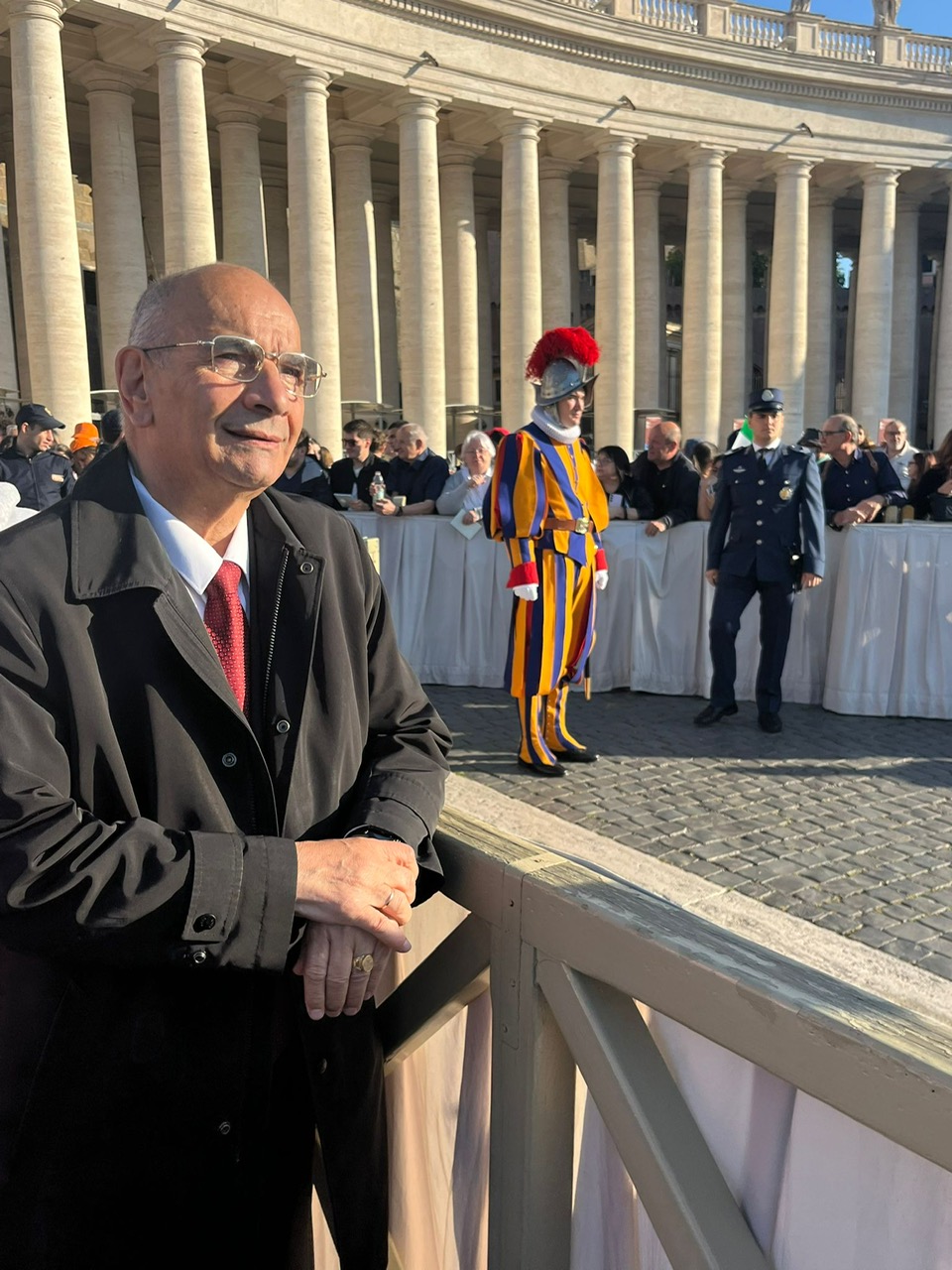
    Today we visited the Free University of Brussels to give a lecture on the mysteries of the Vatican. It was an opportunity to talk to an audience of students about the unique place of the Holy See in the concert of nations and the specificity of this small enclave state in the heart of Rome, which is both a spiritual power and a recognized diplomatic player on the international stage.

    This meeting with the students has a special symbolic significance. It should be remembered that the Free University of Brussels was founded in 1834 by Freemasons and anti-clerical liberals, precisely to counterbalance the Catholic University of Louvain and promote the principles of “free thought.”

  • Reception at the Polish Embassy in France

    Réception Ambassade de Pologne en France

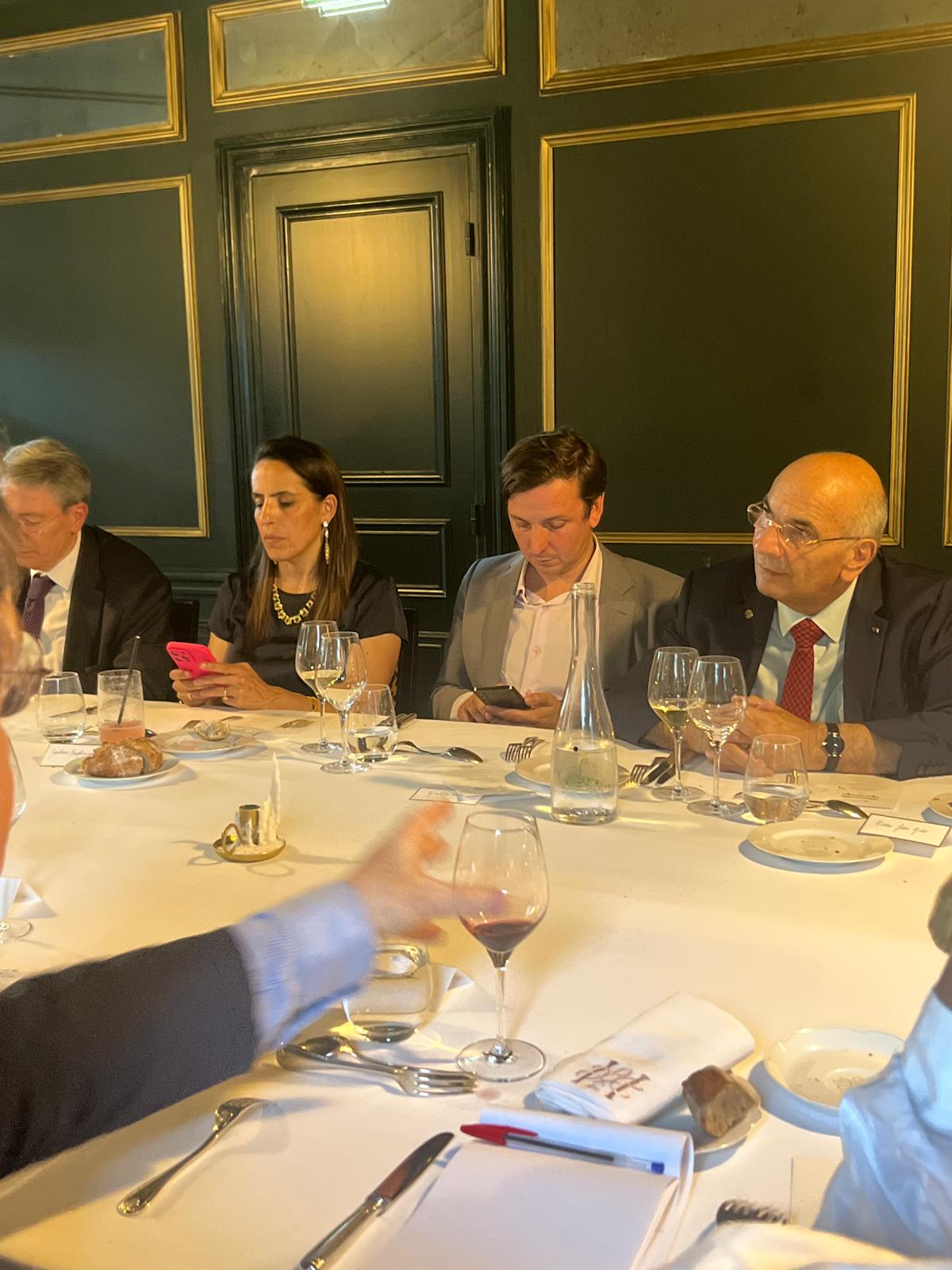
    We were invited by the Embassy to celebrate the ties between Poland and France at a reception accompanied by piano music in an iconic venue: the Hôtel de Monaco, undoubtedly one of the most beautiful hotels in Paris! The evening honored the Polish diaspora and young people living throughout Europe, who actively contribute to Poland's dynamism and make it one of the driving forces of the European economy.

  • Archival Research

    Recherche archivistique

    We are taking advantage of a day of research at the archives of the Commission on Scholarly Communication with the People's Republic of China (CSCPRC) in Washington, D.C. to reiterate our deep commitment to understanding between nations, which can be fundamentally built through research and scientific collaboration. The history of this commission is a telling example: in the midst of the Cold War, when ideological tensions divided the world, the United States and China were able to forge lasting ties through scientific missions and academic exchanges.

    This scientific diplomacy made it possible to maintain a constructive dialogue beyond political antagonisms, proving that the pursuit of knowledge and the sharing of knowledge can transcend borders and rivalries. At a time when geopolitical tensions are resurfacing, it is essential to remember that scientific cooperation remains a privileged vehicle for mutual understanding and lasting peace between peoples.