
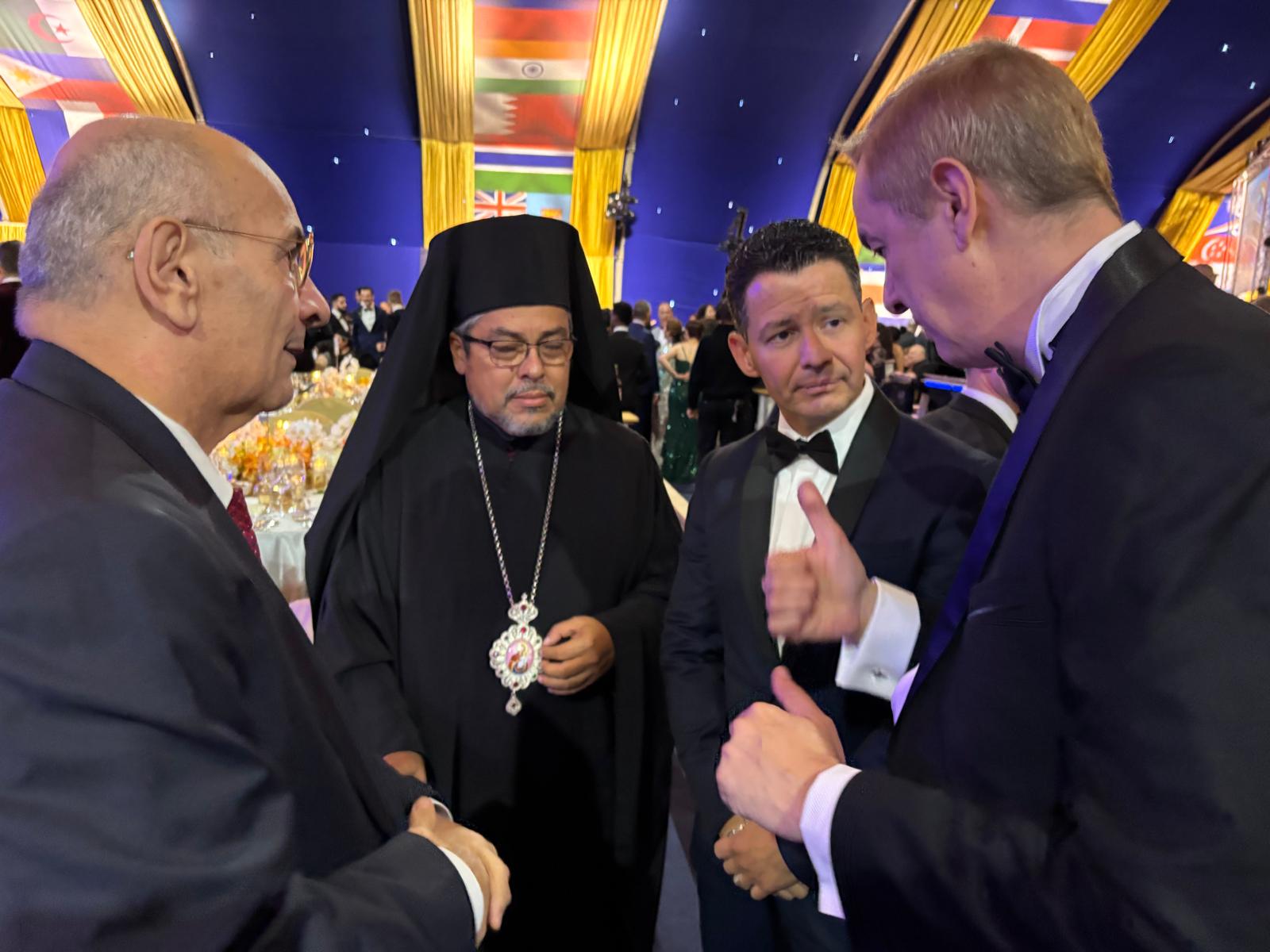
We were invited to the annual event of the International Association of Scientologists (IAS) in Saint Hill, Sussex, England, from October 30 to November 2. This meeting provided a unique opportunity for exchange and dialogue with many prominent figures from different religious traditions and denominational movements. At the heart of these discussions were the fundamental issues of ecumenism and freedom of worship, essential themes in a global context marked by diversity of beliefs and the need for interfaith dialogue.
Welcome to the website of the World Agency for Good Governance (WAGG)
The WAGG is a non-governmental organization accredited to the United Nations Economic and Social Council (ECOSOC) with special status granted by the Secretary-General. We work to promote the principles of good governance throughout the world.
News
-
Swearing-in ceremony of the Swiss Guards
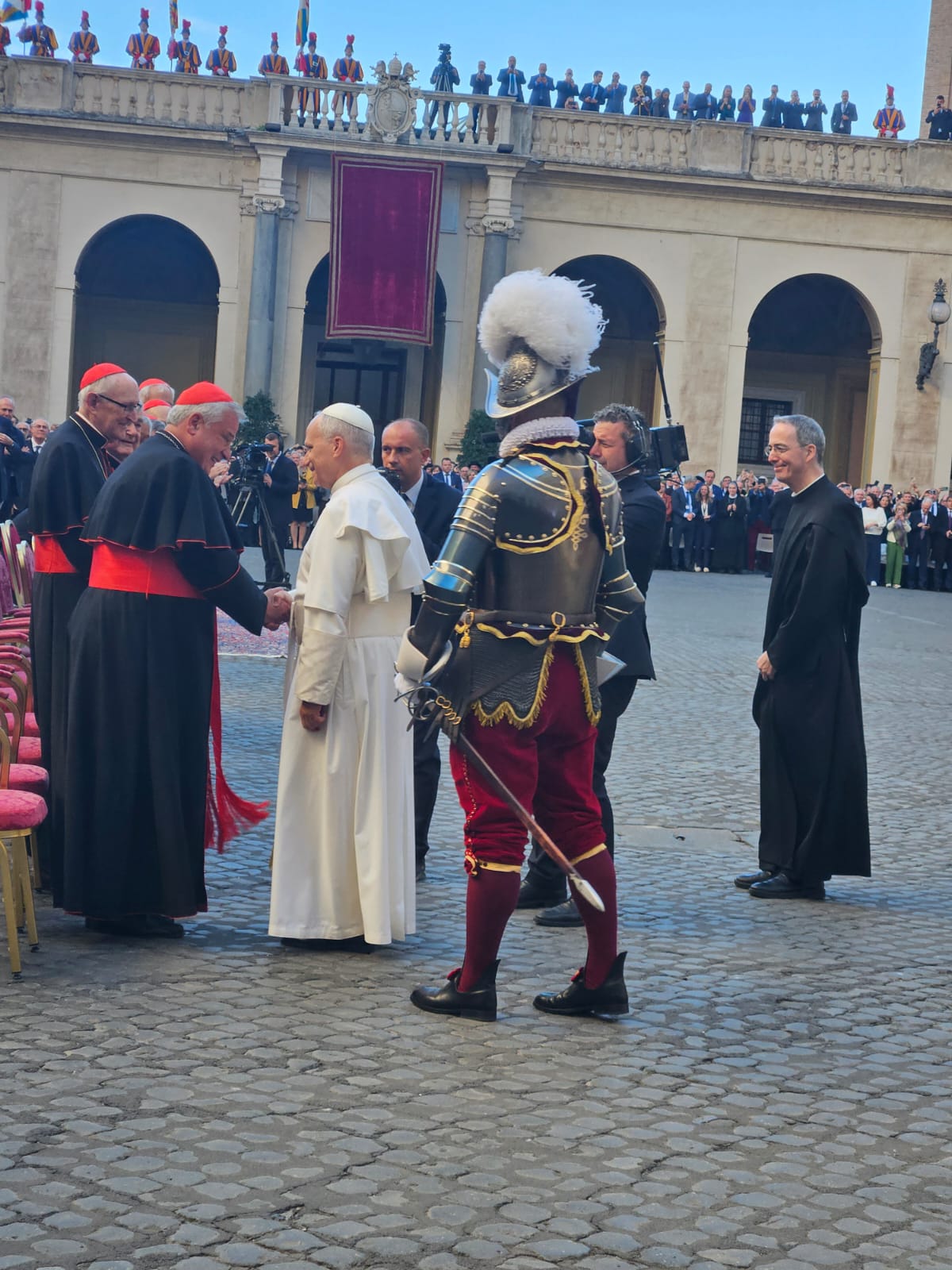
From October 2 to 4, we had the honor of attending the swearing-in ceremony of the Swiss Guards, a ceremony attended in person by Pope Leo XIV. We took this opportunity to reflect on the development of a project to pool positions within the Guard, with a view to modernizing and optimizing its organization.
We wish to reiterate our deep attachment to the service of these men, whose dedication to the Holy See has remained exemplary since the creation of the Swiss Guard on January 22, 1506. We remember in particular their heroic sacrifice on May 6, 1527, when 147 of the Pope's soldiers fell in battle protecting Clement VII and the papal apartments in the Vatican during the sack of Rome by the mutinous troops of Charles V.
-
Concert « Grace for the World »
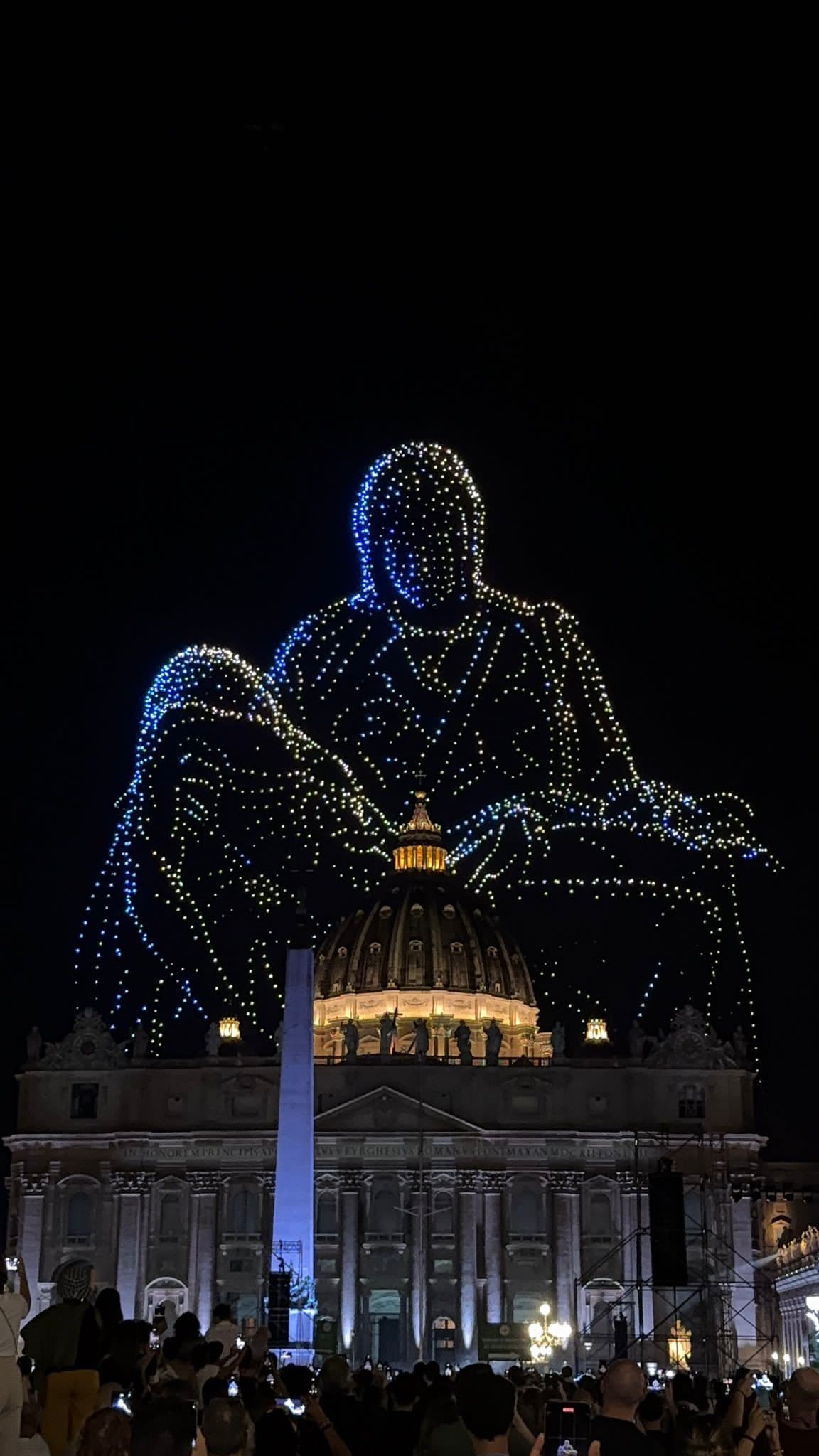
Following the congress of the Pontifical Foundation Fratelli Tutti, “For a united and tolerant world: let's improve our practices,” we had the privilege of participating in the unique concert Grace for the World, organized by Pharrell Williams in collaboration with maestro Andrea Bocelli and the Holy See. This exceptional event brought together international artists, religious and diplomatic figures around a universal message of peace, solidarity, and human fraternity. In this regard, we have a special thought for the late Pope Francis.
We are particularly proud to see the Vatican embracing new technologies, notably drone swarms, to offer a spectacular show combining spiritual tradition and contemporary innovation. This alliance between art, technology, and spirituality demonstrates the Church's ability to engage with the modern world and reach new generations through modern means, while remaining faithful to its universal message.